
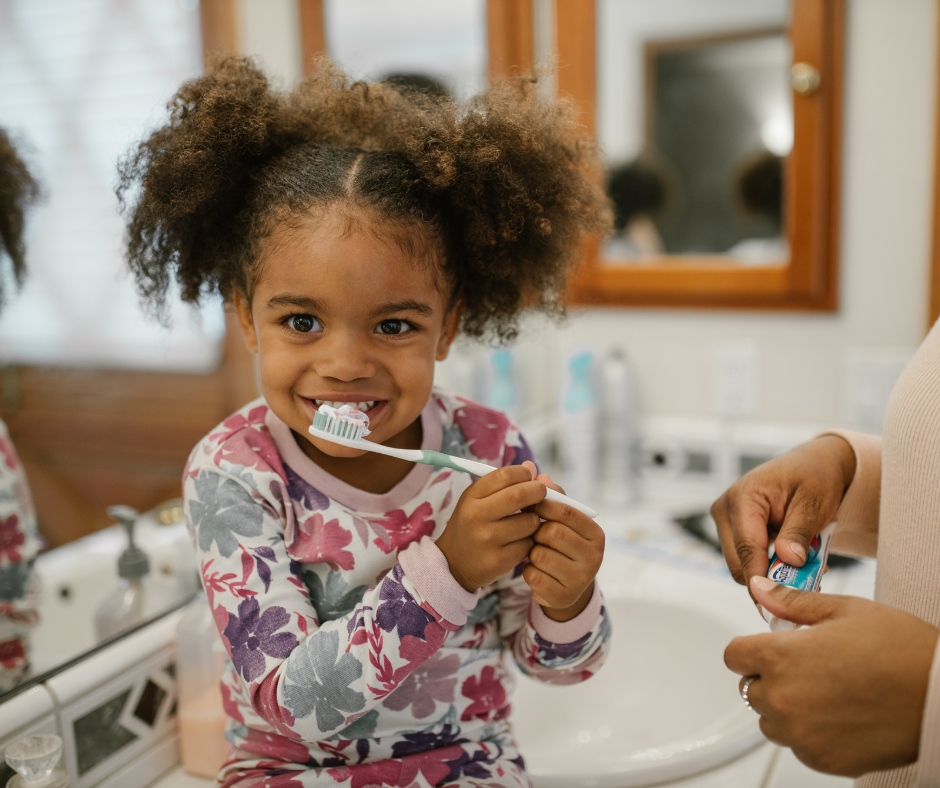
As a parent, you want to make the best choices for your child’s health and that includes their dental health. With so much information circulating about fluoride, it’s understandable to have questions.The good news? Fluoride has been used safely for decades and remains one of the most effective ways to prevent cavities in children. Here are some answers to common questions.
What Is Fluoride?
Fluoride is a naturally occurring mineral that helps strengthen tooth enamel and protect teeth from cavities.
Every day, bacteria in our mouths combine with sugars from food and drinks to produce acids that wear away tooth enamel. Fluoride helps repair this damage by strengthening the enamel and making teeth more resistant to future decay.
Fluoride is commonly found in:
- Community drinking water
- Fluoride toothpaste
- Some mouth rinses
- Professional fluoride varnish treatments from your pediatrician or dentist
Why Is Fluoride Important for Children?
Baby teeth may be temporary, but they’re incredibly important. Healthy baby teeth help children:
- Eat and chew comfortably
- Develop clear speech
- Hold space for permanent teeth
- Avoid painful cavities and infections
Fluoride helps reduce the risk of tooth decay before problems start. In fact, community water fluoridation has been shown to reduce cavities by about 25% in both children and adults.
Is Fluoride Safe?
Yes. Fluoride in community drinking water has been used safely in the United States for more than 80 years.
Major health organizations—including the American Academy of Pediatrics (AAP) and the American Dental Association (ADA continue to support fluoridated water as a safe and effective way to improve oral health.
Some studies have explored whether extremely high fluoride exposure could affect children’s development. However, these studies involved fluoride levels much higher than those recommended in U.S. community water systems. At the recommended levels used in public water supplies, fluoride has not been shown to lower children’s IQ.
When Should My Child Start Using Fluoride Toothpaste?
Start brushing as soon as your baby’s first tooth appears.
The American Academy of Pediatrics recommends the following for age groups:
From Birth until age 3: Use a smear (about the size of a grain of rice) of fluoride toothpaste twice a day.
For Age 3 and older: Use a pea-sized amount of fluoride toothpaste twice daily.
As your child gets older, encourage them to spit out the toothpaste rather than swallow it. There’s no need to rinse with water immediately after brushing—allowing the fluoride to remain on the teeth provides extra protection.
What If My Water Doesn’t Contain Fluoride?
Not every community has fluoridated water. If your family drinks well water or lives in an area without fluoridation, talk with your pediatrician or dentist.
Depending on your child’s risk for cavities, they may recommend:
- Fluoride supplements (drops or tablets)
- Fluoridated bottled water
- More frequent fluoride varnish treatments
If you’re unsure whether your tap water contains fluoride, your local water utility can provide that information.
What Is Fluoride Varnish?
Fluoride varnish is a quick, safe treatment that helps strengthen teeth and prevent cavities.
Your child’s pediatrician or dentist may begin applying fluoride varnish shortly after the first tooth appears.
The treatment:
- Takes only a few minutes
- Is painted directly onto the teeth
- Hardens quickly
- Can help prevent tooth decay before it starts
Most children benefit from fluoride varnish 2 to 4 times each year until about age 5, depending on their cavity risk.
Healthy Habits for a Healthy Smile
Fluoride works best when combined with good daily dental habits.
Help protect your child’s smile by:
- Brushing twice a day with fluoride toothpaste
- Scheduling regular dental visits beginning around their first birthday
- Drinking water instead of sugary beverages whenever possible
- Limiting sticky and sugary snacks
- Asking your pediatrician or dentist if fluoride varnish or supplements are appropriate
Fluoride is one of the simplest and most effective tools we have for preventing cavities. When used in the recommended amounts, it’s safe, effective, and plays an important role in keeping children’s teeth healthy from infancy through adolescence.
If you have questions about fluoride, your child’s risk for cavities, don’t hesitate to talk with your pediatrician or dentist. Together, you can create the best plan to keep your child’s smile healthy for years to come.
Looking for a pediatric dentist in the area? You can use this handy tool to find an American Academy of Dentistry approved pediatric dentist near you. https://findadentist.ada.org/
For questions, to book an appointment, or any other concerns, Augusta Pediatrics can be reached at (706) 868-0389. The information on this site is not intended or implied to be a substitute for professional medical advice, diagnosis or treatment. All content, including text, graphics, images and information, contained on or available through this web site is for general information purposes only.