
Allergies and Anaphylaxis: What to Watch For
Allergies are common in children—and for many families, they are a part of everyday life. While some allergic reactions are mild and manageable, others can become serious very quickly. Knowing the difference, recognizing early symptoms, and understanding when an allergic reaction becomes an emergency can help keep your child safe.
What Are Allergies?
An allergy occurs when the immune system overreacts to something that is usually harmless, such as certain foods, insect stings, medications, or environmental triggers. When the body encounters an allergen, it releases chemicals like histamine, which cause allergy symptoms.
Allergic reactions can range from mild to severe—and they can change over time. A child who has had mild reactions in the past could experience a more serious reaction later, which is why awareness is so important.
Common Allergies in Kids
Food allergies
-
- Peanuts
- Tree nuts (such as walnuts, almonds, cashews)
- Milk
- Eggs
- Wheat
- Soy
- Fish and shellfish
Environmental allergies
-
- Pollen
- Dust mites
- Mold
- Pet dander
Other
- Insect stings (bees, wasps)
- Fire ant bites
- Medications (such as antibiotics)
- Latex
How to Recognize the Early Signs of an Allergic Reaction
Many allergic reactions begin with mild symptoms that can appear minutes to hours after exposure to an allergen. Early recognition is critical, as symptoms can sometimes worsen quickly.
Early Allergy Symptoms May Include:
-
- Itchy skin, hives, or redness
- Runny or stuffy nose
- Sneezing
- Watery or itchy eyes
- Mild swelling of the lips, face, or eyes
- Nausea or stomach discomfort
Allergy Symptoms in Infants May Look Like:
-
- Fussiness or irritability
- Skin rashes
- Spitting up or vomiting
- Sudden changes in behavior or sleepiness
If symptoms are mild and isolated, contact us for guidance. However, if multiple body systems are involved or symptoms escalate, it may be a sign of something more serious.
When an Allergic Reaction Becomes Anaphylaxis
Anaphylaxis is a rapid, severe allergic reaction that can be life-threatening. It can occur at any age, including infancy, and requires immediate medical treatment.
Anaphylaxis may begin suddenly or progress from mild allergy symptoms. Because reactions are unpredictable, it’s important to act quickly at the first sign of severe symptoms.
Signs of Anaphylaxis Include:
-
- Shortness of breath, wheezing, coughing, or chest tightness
- Trouble breathing or swallowing
- Swelling of the lips or tongue
- Tight throat, hoarseness, or difficulty speaking
- Skin changes such as hives, redness, or pale/bluish coloring
- Weak pulse
- Signs of shock
- Severe vomiting or diarrhea
- Dizziness, fainting, confusion, or extreme drowsiness
- A sudden feeling of fear
In Infants, Watch For:
-
- Inconsolable crying or irritability
- Sudden drooling
- Unusual sleepiness or limpness
Epinephrine: The First and Most Important Treatment
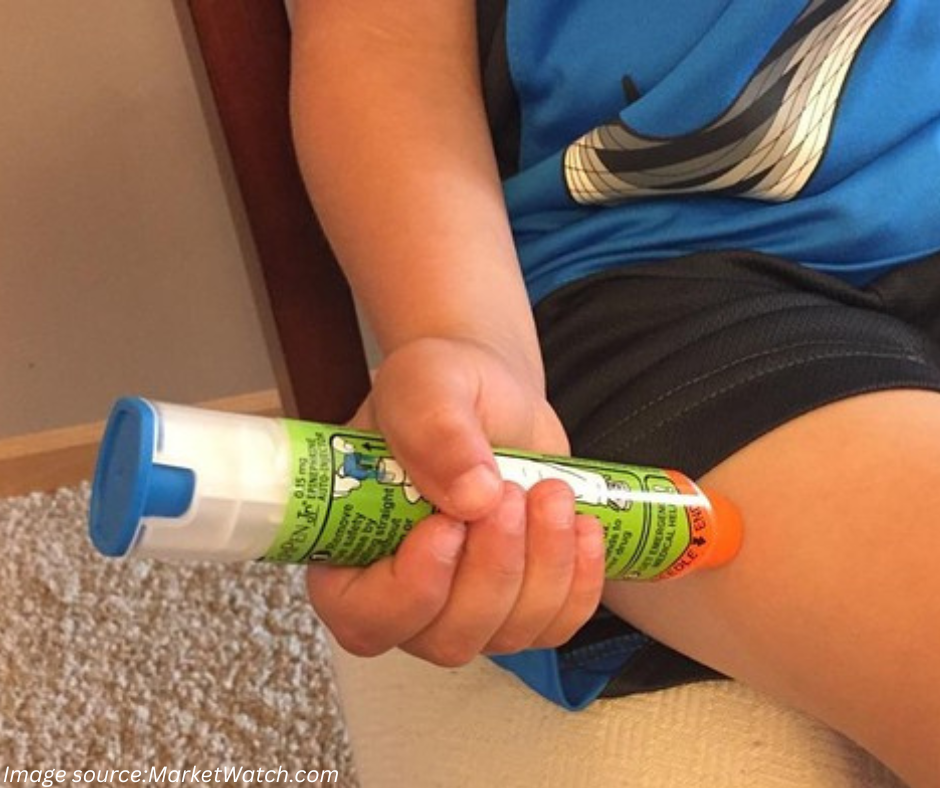
Epinephrine, often in the form of an “epi-pen” or nasal spray, is the recommended emergency treatment for anaphylaxis. It works quickly to reverse dangerous symptoms and can save your child’s life.
If epinephrine is available, give it immediately, then call 911 and go to the emergency department. Delaying epinephrine can increase the risk of severe complications. Even if symptoms resolve completely after a dose of epinephrine, it is still critical to go to the emergency department for further treatment and observation as there is a risk of rebound.
Children at risk for anaphylaxis should carry two doses at all times, as a second dose may be needed.
What to Do After Giving Epinephrine
-
- Note the time epinephrine was given
- Call 911 and request an ambulance with epinephrine
- Stay with your child and monitor symptoms
- Give a second dose after 5 minutes if symptoms worsen or do not improve
- Keep your child lying on their back, or on their side if vomiting or struggling to breathe
- Give other prescribed medications if directed—but never in place of epinephrine
Allergies can be unpredictable, but preparation saves lives. If your child has allergies or is at risk for anaphylaxis, talk with our team about an emergency action plan, epinephrine prescriptions, and school or childcare instructions.
For questions, to book an appointment, or any other concerns, Augusta Pediatrics can be reached at (706) 868-0389. The information on this site is not intended or implied to be a substitute for professional medical advice, diagnosis or treatment. All content, including text, graphics, images and information, contained on or available through this web site is for general information purposes only.