
How Much Sleep Does Your Child Actually Need?
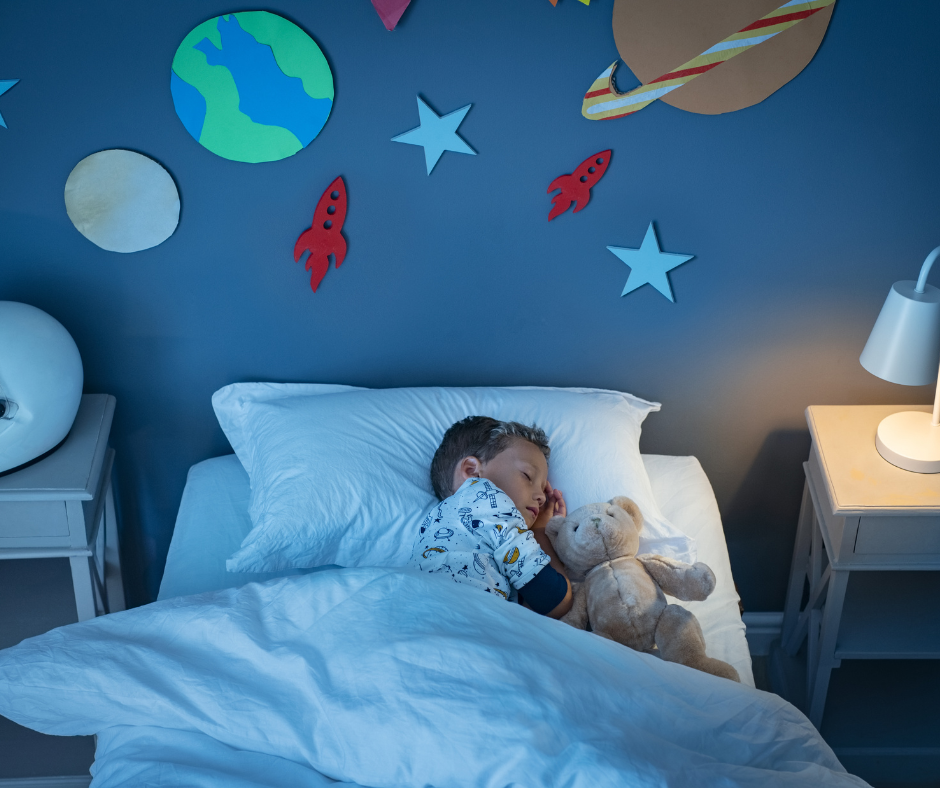
From infants to teens, one of the most common questions parents ask is: “Is my child getting enough sleep?” The answer matters more than you might think. Sleep isn’t just rest; it’s essential for your child’s growth, brain development, mood, and overall health.
Why Sleep Matters So Much
It can be tempting to assume kids can “push through” a late night or missed sleep—but over time, sleep deprivation adds up.
Children who don’t get enough sleep may experience:
- Irritability and mood swings
- Difficulty concentrating
- Poor school performance
- Increased risk of obesity and headaches
- Weakened immune system
- Anxiety or depression
On the flip side, well-rested children tend to have:
- Better behavior and emotional regulation
- Stronger memory and learning ability
- Improved physical health
Recommended Sleep by Age
These recommendations reflect total sleep in a 24-hour period (including naps for younger children):
- 4–12 months: 12–16 hours
- 1–2 years: 11–14 hours
- 3–5 years: 10–13 hours
- 6–12 years: 9–12 hours
- 13–18 years: 8–10 hours
If your child still naps, be sure to include that time when calculating their total daily sleep.
Special Considerations by Age
Babies
- Starting solids early won’t help them sleep longer
School-Aged Kids
- Watch for overscheduling—sports, homework, and activities can push bedtime too late
Teens
- Their natural sleep cycle shifts later during puberty
- Early school start times can make it harder to get enough rest
Signs Your Child May Not Be Getting Enough Sleep
- Trouble waking up in the morning
- Falling asleep during the day or in school
- Hyperactivity or difficulty focusing
- Frequent mood changes
If you notice these signs, it may be time to adjust your child’s sleep routine.
The American Academy of Pediatrics encourages families to make sleep a daily priority. Here’s how:
- Make Sleep a Family Priority
Kids learn by example. When parents value sleep, children are more likely to do the same.
- Stick to a Routine
Consistent bedtimes, wake times, and routines help regulate your child’s internal clock.
For younger kids, think: brush → book → bed
- Encourage Daytime Activity
Physical activity and outdoor play help kids fall asleep more easily at night.
- Limit Screen Time Before Bed
Turn off screens at least 1 hour before bedtime and keep devices out of bedrooms to avoid sleep disruption.
- Create a Sleep-Friendly Environment
- Cool, quiet, and dim lighting
- Minimal distractions
- A bed used only for sleep (not play)
Sleep is just as important as nutrition and exercise when it comes to your child’s health. While every child is different, these guidelines offer a helpful benchmark to ensure they’re getting the rest they need to grow, learn, and thrive.
If you have concerns about your child’s sleep habits, talk with us! We’re here to help!
For questions, to book an appointment, or any other concerns, Augusta Pediatrics can be reached at (706) 868-0389. The information on this site is not intended or implied to be a substitute for professional medical advice, diagnosis or treatment. All content, including text, graphics, images and information, contained on or available through this web site is for general information purposes only.