
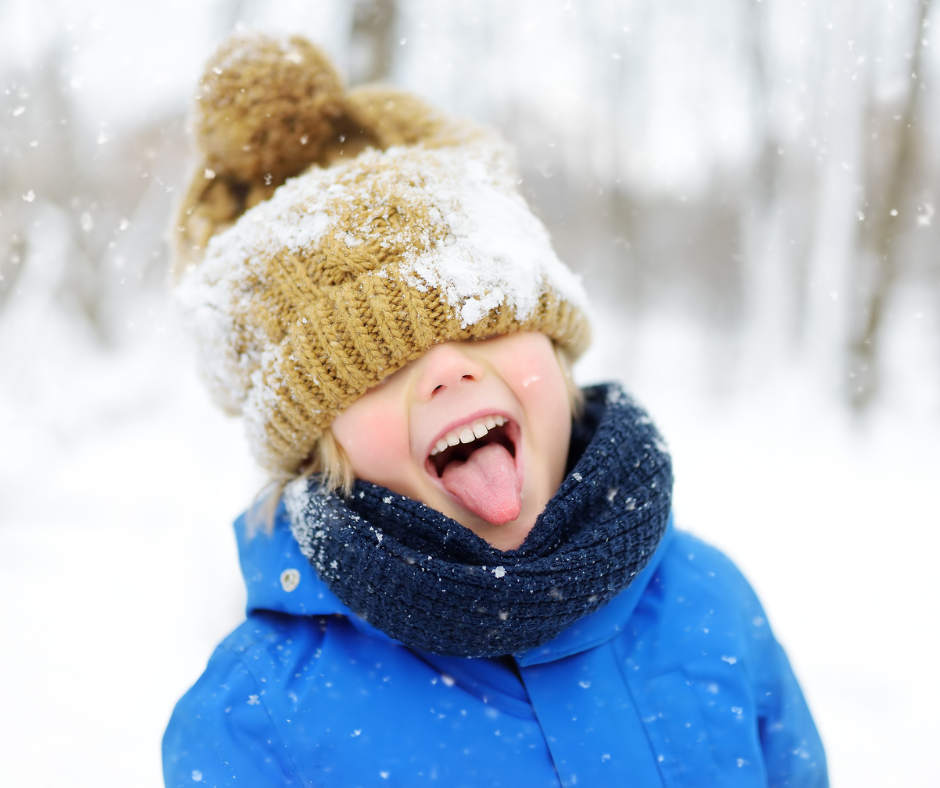
When temperatures drop, families often spend more time indoors and prepare for the holiday season. But for children with asthma, colder weather can bring additional challenges. Cold, dry air, seasonal illnesses, and indoor allergens can all trigger asthma symptoms and make breathing more difficult.
Why Does Cold Weather Trigger Asthma?
Have you ever wondered why your child may cough, wheeze, or experience shortness of breath when heading outside in cold weather?
Cold, dry air can irritate sensitive airways and cause them to narrow, making it harder to breathe. Physical activity outdoors in cold temperatures may also trigger symptoms in some children with asthma.
Winter also brings an increased risk of respiratory illnesses, including the flu and other viral infections. These illnesses can inflame the airways and worsen existing asthma symptoms.
Understanding your child’s triggers and following their asthma management plan can help reduce the risk of flare-ups during the colder months.
9 Tips for Managing Asthma During Winter
- Move Physical Activity Indoors When Needed: Exercise is important for children’s health, and asthma shouldn’t automatically keep your child from being active. However, cold, dry air can trigger symptoms during outdoor activities. When temperatures are especially low, consider indoor activities such as dancing, indoor obstacle courses, or age-appropriate exercise videos.
- Maintain Your Home Heating System: As the heating system kicks on for the season, dust and other particles may circulate throughout your home. Dust, mold, and other indoor allergens can trigger symptoms in children with asthma. Before winter gets underway, replace or clean your heating system’s filters according to the manufacturer’s recommendations. Regularly clean dusty surfaces and vacuum to help reduce indoor allergens.
- Monitor Indoor Temperature and Humidity: Changes in temperature and humidity can affect some children with asthma. Dry indoor air may irritate the respiratory tract, while excessive humidity can encourage mold and dust mites. Keep your home at a comfortable temperature and monitor humidity levels. A range of approximately 30% to 50% is generally recommended for indoor spaces, although your child’s specific triggers and home environment may influence what works best.
- Take Steps to Prevent Illness: Colds, influenza, and other respiratory infections can worsen asthma symptoms and trigger flare-ups. Because respiratory illnesses circulate more widely during the colder months, prevention is especially important.
Help protect your family by:
- Encouraging frequent handwashing with soap and water.
- Avoiding close contact with people who are sick when possible.
- Teaching children to cover coughs and sneezes.
- Keeping your child home when they’re ill, as appropriate.
- Following your child’s asthma management plan if respiratory symptoms develop.
If your child develops a respiratory illness and their asthma symptoms worsen, contact their healthcare provider for guidance.
- Keep Vaccinations Up to Date: Respiratory infections can be especially challenging for children with asthma. Staying up to date on recommended vaccinations can help protect against certain illnesses and reduce the risk of some complications. Vaccines do not prevent every respiratory infection, but they are an important part of preventive care for many children with asthma.
- Avoid Smoke and Other Irritants: Smoke can irritate the airways and trigger asthma symptoms. During winter, wood-burning fireplaces, wood stoves, candles, and other sources of smoke or airborne particles may contribute to indoor irritation. Whenever possible, avoid exposing your child to smoke and maintain a smoke-free home and vehicle. If using a fireplace, make sure it is properly maintained and ventilated, and minimize your child’s exposure to smoke. Also be mindful of strong fragrances, aerosol sprays, and cleaning products if these are known triggers for your child.
- Help Your Child Breathe More Comfortably Outdoors: Cold air can be particularly irritating for children with asthma. Covering the nose and mouth with a scarf or suitable face covering can help warm the air before it reaches the airways. Encourage your child to breathe through their nose when comfortable, since the nose helps warm and humidify incoming air. If your child begins coughing or wheezing outdoors, have them move to a warmer environment and follow their asthma action plan. Remember that a scarf or face covering is not a substitute for prescribed asthma medication or other steps in your child’s treatment plan.
- Follow Your Child’s Asthma Action Plan
One of the most important ways to manage asthma in winter is to follow your child’s individualized Asthma Action Plan. This plan, developed with your child’s healthcare provider, outlines how to manage asthma daily, recognize worsening symptoms, and respond to an asthma flare-up.
Make sure you:
- Give prescribed controller medications as directed.
- Keep any prescribed rescue medication accessible.
- Know which symptoms mean your child needs additional care.
- Ask your child’s pediatrician whether any changes are needed for winter activities or cold-weather exposure.
- Share the plan with teachers, school nurses, babysitters, and other caregivers.
Never change medication doses or give additional doses before outdoor activities unless your child’s healthcare provider has recommended that approach.
When Should You Call the Doctor?
Even with careful management, asthma symptoms can sometimes worsen during winter. Contact your child’s healthcare provider if your child is coughing or wheezing more often, waking at night because of symptoms, needing their rescue medication more frequently than directed, or having difficulty keeping up with normal activities.
Seek emergency medical care immediately if your child is struggling to breathe, has severe difficulty speaking or walking because of breathlessness, develops blue or gray lips, or has symptoms that are severe or rapidly worsening. Follow your child’s emergency asthma plan if one is in place.
For questions, to book an appointment, or any other concerns, Augusta Pediatrics can be reached at (706) 868-0389. The information on this site is not intended or implied to be a substitute for professional medical advice, diagnosis or treatment. All content, including text, graphics, images and information, contained on or available through this web site is for general information purposes only.