
Whooping Cough: When to Call Your Pediatrician
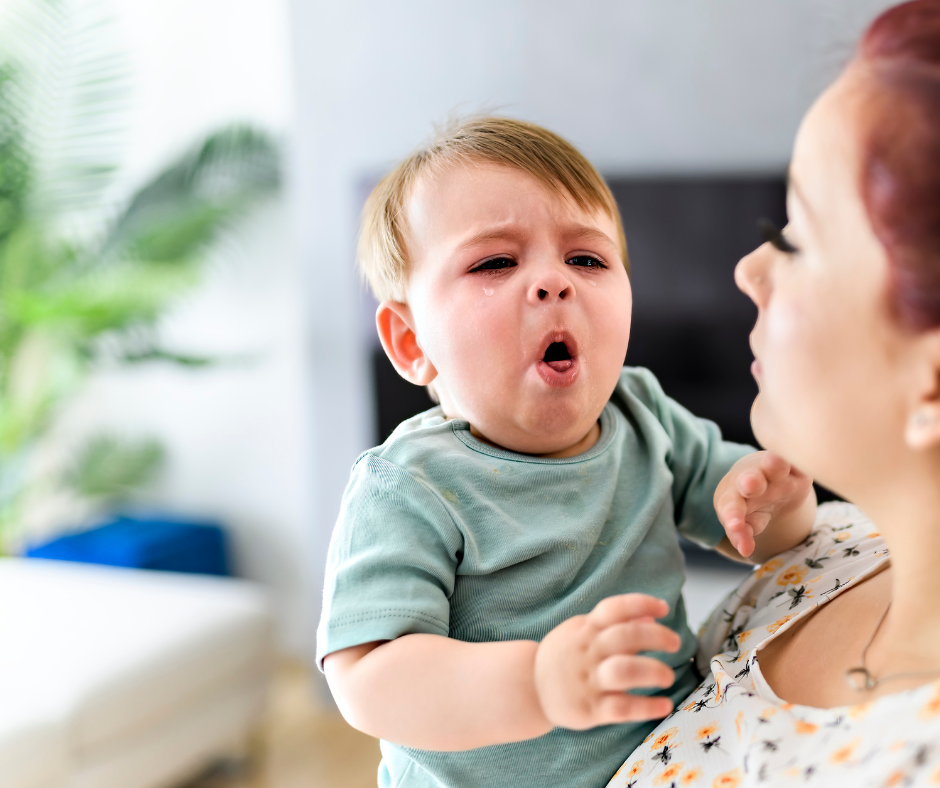
Whooping cough, also called pertussis, is a highly contagious respiratory infection that can affect children of all ages. While it may start out looking like a simple cold, whooping cough can become serious, especially for infants and young babies. Knowing the symptoms and when to contact your pediatrician can make a critical difference.
What Is Whooping Cough?
Whooping cough is caused by a bacteria called Bordetella pertussis. It attacks the lining of the breathing passages and spreads easily through coughing and close contact. Although infections can occur year-round, cases are most common in late summer and fall.
The illness gets its name from the distinctive “whooping” sound some children make when taking a breath after a severe coughing fit. The cough can be long-lasting, lingering for months or returning with future respiratory illnesses.
Why Is Whooping Cough on the Rise?
After the pertussis vaccine was introduced, cases dropped dramatically. However, infections have increased again in recent years for several reasons:
- Many children fell behind on routine vaccinations during the COVID-19 pandemic
- Vaccination rates have not yet returned to pre-pandemic levels
- Protection from the vaccine can fade over time
- Vaccinated individuals can still get infected and spread the bacteria
- The bacteria itself may be slowly changing, reducing vaccine effectiveness
Tragically, outbreaks continue to pose serious risks. In 2025 alone, at least five infants in the U.S. have died from whooping cough—highlighting how dangerous this illness can be for babies (Source: HealthyChildren.org).
Symptoms of Whooping Cough in Children
In order to recognize whooping cough, it’s important to know the symptoms. Symptoms vary depending on age, vaccination status, and overall health.
In older children:
- Cold-like symptoms at first (runny nose, mild cough, low fever)
- Worsening coughing spells after 1–2 weeks
- Fast, deep breaths between coughs that may cause a “whoop” sound
- Shortness of breath
- Vomiting after coughing
- Exhaustion after coughing episodes
- Bluish or gray skin around the mouth
In infants:
- May not cough at all
- Trouble breathing or pauses in breathing
- Vomiting after coughing
- Poor feeding or extreme fatigue
While older children and adults often recover with fewer complications, infants are at the highest risk for severe illness.
When to Call the Pediatrician
Contact your pediatrician right away if:
- Your child has been exposed to someone with whooping cough or a chronic cough
- Coughing becomes severe, frequent, or uncontrollable
- Your child is struggling to breathe or turns blue or gray around the lips or fingertips
- Your child vomits after coughing, eats poorly, or appears very ill
- Your infant has breathing pauses or difficulty breathing—even without coughing
If you’re concerned, we’re concerned. We’d always rather be on the safe side!
How to Protect Your Child
Vaccination is the best protection against severe whooping cough.
Recommended vaccine schedule:
- Infants: 2, 4, and 6 months
- Boosters: 12–18 months and 4–5 years
- Preteens: Booster at 11–12 years
Additional protection:
- Adults and caregivers who are around infants should receive a booster
- Pregnant individuals should get vaccinated during the third trimester of every pregnancy to pass protection to their baby
If you have questions or concerns about symptoms, exposure, or vaccines, we’re here to help. Give us a call!
For questions, to book an appointment, or any other concerns, Augusta Pediatrics can be reached at (706) 868-0389. The information on this site is not intended or implied to be a substitute for professional medical advice, diagnosis or treatment. All content, including text, graphics, images and information, contained on or available through this web site is for general information purposes only.